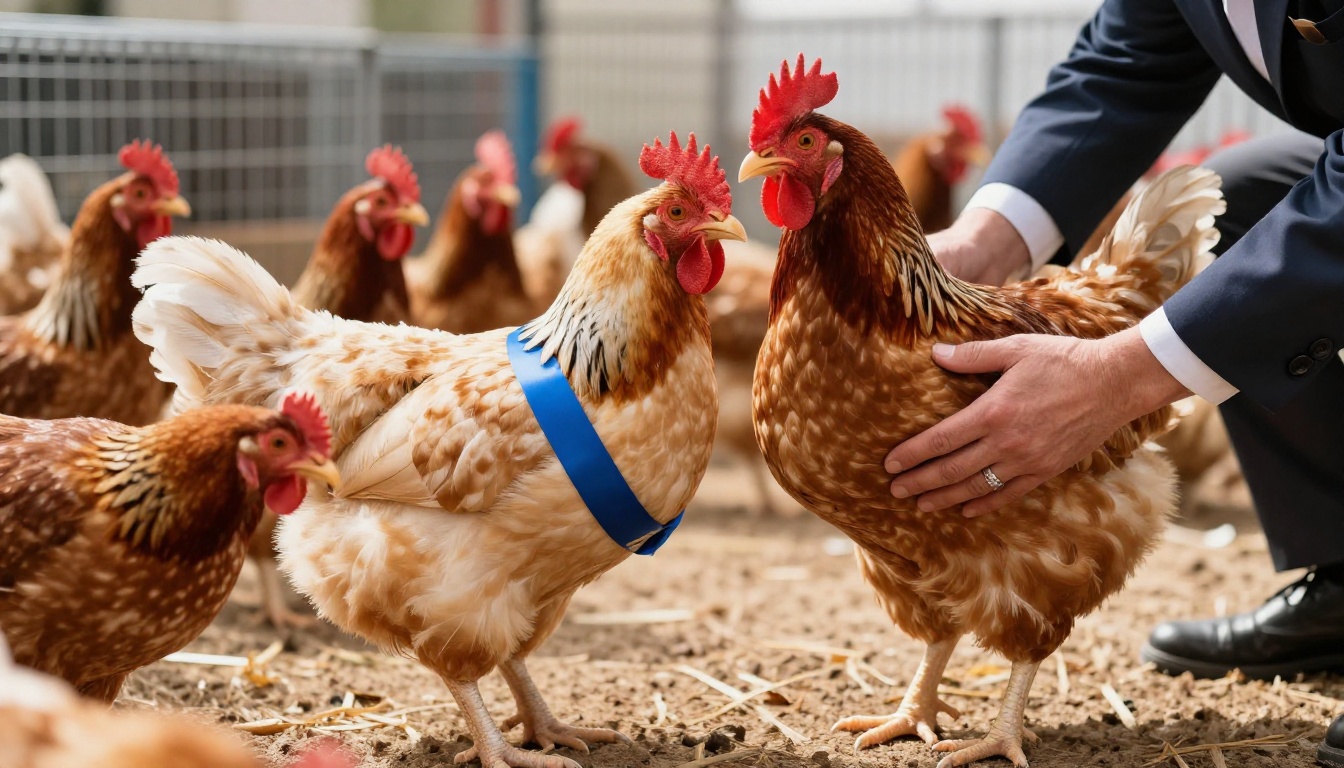
Ever wondered why some chickens strut away with blue ribbons at poultry shows, while others just cluck in disappointment? Picture this: you’re a backyard chicken enthusiast with a flock of gorgeous birds. You enter your first local show, hearts pounding with excitement. But the judge shakes their head and points out flaws in comb shape, feather color, or leg length. Your birds place last, and that’s when you hear about the APA Standard of Perfection.
That moment hits hard, doesn’t it? You realize your feathered friends don’t match the ideal blueprint pros follow. So, what is this mysterious guide? The APA Standard of Perfection is the official handbook from the American Poultry Association. It spells out exact traits for over 100 breeds of chickens, ducks, turkeys, geese, and more. Think precise weights, body shapes, eye color, and even toenail shades.
Why should you care as a beginner? Because it saves you from costly mistakes. You avoid breeding mismatched birds or wasting time on show rejects. Instead, you raise top-quality poultry that turns heads and wins prizes. Shows become winnable goals, not dreams. Plus, healthier flocks mean better eggs and meat for your table.
Most importantly, this standard builds your confidence. No more guessing what makes a perfect Orpington or Rhode Island Red. Breeders swear by it for consistent results year after year.
In this beginner’s guide, you’ll first learn exactly what the APA Standard of Perfection covers. Then, we’ll explore why it matters for your backyard setup. Finally, get practical tips on how to use it every day. Stick around, and you’ll see your flock transform.
What Exactly Is the APA Standard of Perfection?
Poultry fans call the APA Standard of Perfection the bible of breeding. It sets the rules for what makes a chicken, duck, or turkey top-notch. First released in 1874, this guide has guided breeders for over 150 years. You can grab a hardcover edition with more than 350 pages packed full of color photos, detailed illustrations, and exact specs.
Each breed gets its own page, or “plate.” These show weight ranges, feather patterns, comb types, and disqualifications like crooked beaks or wrong toe counts. For example, a perfect Rhode Island Red needs deep red feathers and a single comb. The book covers chickens, bantam chickens, ducks, geese, turkeys, guineas, and ornamental fowl. Judges rely on it at shows worldwide because experts from the American Poultry Association write and update it.
In addition, the standard evolves. New breeds join after testing, so your copy stays current. A fun fact: it started as simple pamphlets but grew into this thick reference most breeders keep handy. Search for APA Standard of Perfection contents, and you’ll see why beginners love its clear visuals. It helps you spot ideals fast, so you breed winners instead of also-rans.
A Brief History of the American Poultry Association and Its Flagship Book
Poultry lovers started the American Poultry Association back in 1873. They wanted to promote pure breeds and end the mess at early shows. Back then, judges argued over what counted as “good.” Farmers entered mixed birds, and nobody agreed on winners. So, the APA stepped in with a clear plan.
They published the first Standard of Perfection just one year later, in 1874. It listed traits for a handful of breeds. This book turned chaos into fair play. Think of it like a rulebook for basketball. Everyone follows the same measurements for height or ball size, right? Shows became predictable and fun.
Over time, the APA released new editions every few decades to match changing breeds:
- 1874: Debut edition covers basic chickens and a few others.
- 1920s-1940s: Grows with new colors and bantams after World War I demand.
- 1970s: Adds waterfowl details as ducks gain fans.
- 1990s-2000s: Includes rare breeds like Ayam Cemani.
- Latest (as of 2026): Features fresh recognitions, such as modern hybrids tested for years.
These updates keep the standard alive. Breeders tell stories of old shows where a bird won one day and lost the next. Now, judges flip to the page and measure. As a result, competitions draw bigger crowds. You can join in too. The APA’s work built trust that lasts today.
Inside the Pages: Breeds Covered and What Makes a Bird ‘Perfect’
Flip open the APA Standard of Perfection, and you’ll find breeds grouped by type. Large fowl lead off, like heavy Orpingtons or sleek Leghorns. Bantams follow as mini versions. Then come waterfowl such as Pekin ducks, plus geese, turkeys, guineas, and fancy types like pheasants.
Each section lists key traits that define perfection. Body shape matters first; a Buff Orpington needs a broad back and upright carriage. Feathers come next, with patterns like laced edges or solid bars. Combs vary too: rose, pea, or single. Scales on shanks must match, and eyes stay bright orange, not dull yellow.
Faults knock birds out quick. Extra toes disqualify Silkies unless the standard allows five. Wrong color? No ribbon. Picture a perfect pie. The crust needs even gold, the filling thick and sweet. Miss that, and it flops. Breed plates show this with drawings and photos. A Rhode Island Red plate sketches deep mahogany plumage, yellow shanks, and a bright red comb.
Silkie example: Fluffy feathers cover the body. Blue-black skin hides under. Five toes set them apart.
Visuals help beginners most. You match your bird to the page and see gaps. Therefore, you pick mates wisely. Categories break it down:
- Large Fowl: 40+ breeds, weights from 4 to 10 pounds.
- Bantams: Tiny twins, same looks scaled down.
- Waterfowl: Ducks with boat-shaped bills; geese with knobbed heads.
Most importantly, these details build healthy flocks. No guesswork means strong birds that lay well. Grab a copy, and your shows will shine.
Why the APA Standard of Perfection Changes the Game for Poultry Keepers
You start with a few hens in your backyard. They lay okay eggs, but something feels off. Shows pass you by, and your flock lacks that wow factor. Enter the APA Standard of Perfection. It turns average birds into champions by guiding your choices. You pick breeds that fit your goals, breed for quality traits, and dodge weak genetics. Backyarders see better egg production and healthier birds. Hobbyists gain pride from show winners. Pros rely on it for registrations and sales. Uniform standards level the field everywhere. Thousands of birds get judged yearly against its rules. So, you build flocks that thrive and impress.
How It Helps You Build Healthier, Show-Ready Flocks
Match your goals to the standard first. Pick birds close to the ideal for breeding. A Buff Orpington needs a broad body and golden feathers. Select parents that hit those marks. Then, breed strong offspring.
Culling hurts at first, but it works. Remove birds with poor traits, like crooked beaks or dull colors. Keep only the best. Your flock improves fast.
Health ties in tight. Right weight helps foraging. Heavy breeds like Plymouth Rocks handle feed well without strain. Light ones, such as Leghorns, stay active. Wyandottes shine with rose combs. Frostbite skips them in cold snaps.
Beginners, compare photos to real birds carefully. Plates show perfect poses, but check your hen from all angles. Feel the shank scales. Note eye brightness.
As a result, you raise tough flocks. Eggs flow steady. Meat tastes better. Turn average hens into stars. No more weak links drag you down.
The Standard’s Big Role in Fairs, Shows, and Competitions
Judges score birds against the standard. Type gets 40 points for shape and size. Color earns 15. Weight adds 10, plumage pattern 10 more. Combs, shanks, and voice fill the rest. Total hits 100. Faults subtract quick.
This setup levels the field. Amateurs compete with pros. Everyone follows the same page. No favoritism sneaks in.
Picture a county fair. Your Ameraucana struts in. Judge measures the beard, checks muff color. It nails pea comb points. Boom, blue ribbon.
Grand champions make memories. One breeder’s Silkie swept nationals. Fluffy feathers, five toes perfect. Crowd cheered.
Beginners benefit most. Know winning traits upfront. Set real expectations. Practice posing your bird. Study disqualifiers like split wings.
Shows draw crowds yearly. Thousands compete under these rules. You join the fun. Wins build skills. Your flock shines brighter each time.
Simple Steps for Beginners to Dive Into the Standard
Ready to grab the APA Standard of Perfection and put it to work? You don’t need expert skills to start. These steps guide you from buying your copy to matching it against your flock. First, pick up the right edition. Then, learn its terms quickly. Finally, apply it hands-on for quick flock improvements. You’ll see results in weeks because the book includes indexes and glossaries that make navigation easy. Start with your favorite breed, like Buff Orpingtons, to build confidence. Modern perks help too; the APA offers online previews on their site. So, follow along and transform your birds.
Finding and Buying the Right Edition for Your Needs
Head straight to apa-poultry.com for official copies. They sell the latest print version around $75, plus digital options for $70. Bundles often include posters of key breeds, which save money.
Print shines for flipping pages at shows; you mark notes in margins. Digital loads fast on tablets, so you zoom into plates anywhere. Recent 2020s updates added breeds like Crele Old English Games, keeping specs current.
Check libraries first for free loans. Used books work if recent, but skip old ones; traits change. Pros of new editions include color accuracy and full indexes. Cons? Higher cost, though worth it for precision.
No full free samples online, yet previews show sample plates. Buy now, and you access how to use APA Standard of Perfection from day one. Your choice fits your setup perfectly.
Mastering Breed Descriptions and Key Terms Fast
Open a breed page and scan top to bottom. Head points cover comb type and eye color first. Body follows with shape and weight. Legs end it; note shank length and toe count.
Use the glossary right away. Shank means the leg bone below the knee. Muffs are cheek tufts on breeds like Ameraucanas. These terms click fast with examples.
Practice builds speed. Sketch your ideal bird next to the plate. For barred Plymouth Rocks, draw even black-white stripes across feathers. Common mix-ups? Barred alternates colors; penciled has fine lines, like Wyandotte edges.
Follow this reading flow: Read aloud once. Highlight key traits. Quiz yourself on disqualifiers, such as extra toes on non-Silkie breeds. Repeat for your top breed.
Indexes group by comb or color, so you jump sections easily. Hands-on time pays off. In short, you master descriptions in hours, not days.
Put It to Work: Matching Your Birds to the Perfect Ideal
Snap a photo of your hen from three angles. Lay it beside the Orpington plate; check lavender plumage and cushion comb match. Note gaps, like short tail feathers.
Make a simple score sheet. List 10 traits: body 10 points, color 10, legs 5. Tally your bird’s score out of 100. Track monthly as chicks grow.
Beginners win big here. Spot a shank color off? Breed with a better match next time. One photo comparison fixed my flock’s posture in two months.
Before-and-after photos inspire. Your hen starts average; after culling weak traits, she poses like a champ. Apply daily, and shows become real. Quick wins build your skills fast.
Conclusion
The APA Standard of Perfection clears up what makes a bird perfect. It guides you to raise healthy flocks that win at shows. Beginners gain confidence fast because clear specs match your birds to ideals.
So, you build better egg layers and meat birds over time. Shows turn fun, not frustrating. Your hobby lasts because strong genetics pay off year after year.
Grab your copy today from apa-poultry.com. Join a local club or the APA for tips and events. Share your favorite breed in the comments below, and subscribe for more poultry advice.
Your perfect flock awaits.