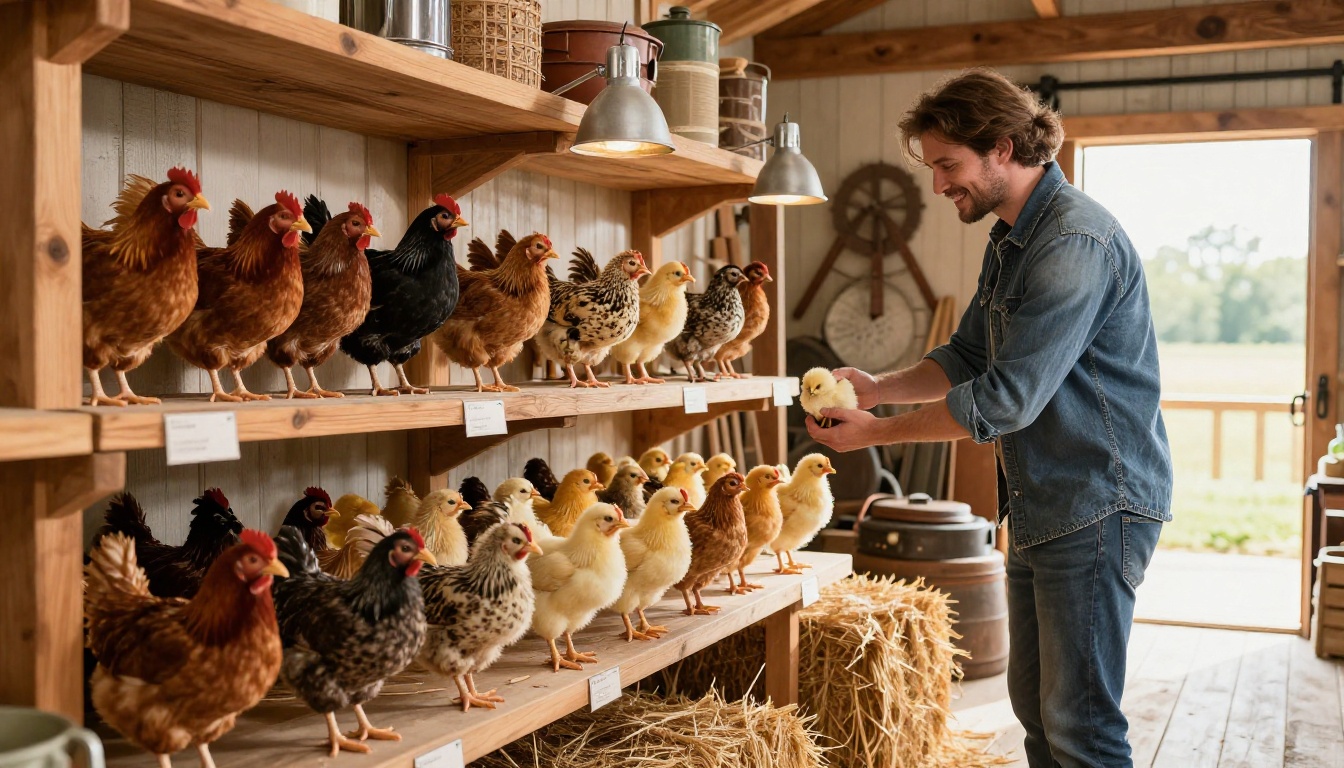
Picture this: you step into your local farm store, excited to start raising chickens. Rows of chicks chirp under heat lamps, each labeled with breed names like Orpington, Rhode Island Red, or Plymouth Rock. The clerk smiles and asks, “Eggs or meat?” You freeze, overwhelmed by choices, because you want both fresh eggs and homegrown dinners.
Commercial hybrids dominate shelves these days. They lay tons of eggs or grow fast for meat, yet they lack deep flavor, true hardiness, and sustainability. Heritage chicken breeds change that. These traditional purebreds, developed before 1955 and approved by the Livestock Conservancy, thrive in backyards. They resist diseases better, forage naturally, and deliver richer-tasting meat and eggs your family will love.
So why choose between dual-purpose chickens, egg-laying stars, or meat specialists? Dual-purpose breeds like Plymouth Rocks balance steady eggs with plump table birds, perfect for homesteaders. Egg-layers such as Leghorns pump out dozens weekly, while meat breeds like Cornish excel at quick, tender roasts. Each fits goals, whether you crave daily breakfasts or weekend feasts.
In this post, we’ll break down traits, pros, cons, and real-farm matches. You’ll learn which heritage breeds suit your space, climate, and menu. First, let’s explore what makes dual-purpose chickens your all-around winner.
What breed calls to your coop? Keep reading to find out.
What Makes Dual-Purpose, Egg-Laying, and Meat Heritage Breeds Different?
Heritage breeds split into three main camps based on your farm goals. Dual-purpose types balance eggs and meat for steady homestead output. Egg-layers prioritize breakfast bounty with high yields. Meat birds focus on plump roasts with superior flavor. Each shines in its role, so pick what fits your menu and space. Let’s break down their standout traits.
Spotting the Traits of Dual-Purpose Champions
Dual-purpose breeds offer calm temperaments that make them family favorites. They handle cold weather well and forage without fuss, ideal for small farms. You get 200-250 eggs per year plus solid meat yields around 6-8 pounds dressed weight.
Consider these top picks:
- Rhode Island Red: Lays 220-250 brown eggs annually. Birds dress to 7 pounds with tasty, firm meat. Pros include broodiness for natural hatching and easy handling around kids.
- Plymouth Rock: Produces 200-240 light brown eggs. Reaches 6-7 pounds for roasting. They’re cold-hardy and quiet, perfect for beginners.
- Buff Orpington: Delivers 200-220 light brown eggs. Yields 7-8 pounds of tender meat. Families love their gentle nature and fluffiness.
These birds suit you if balance matters most. They thrive on pasture and adapt to coops.
Secrets of Top Egg-Laying Heritage Stars
Egg-laying heritage breeds crank out 250-300+ eggs yearly, often white-shelled. Lighter builds, around 4-5 pounds, help them forage far and fly to roost. However, flightiness means taller fences.
Here are reliable examples for your breakfast table:
- Ancona: Lays 250-280 white eggs. Needs ample space to roam. Great foragers, but they dodge laps.
- Campine: Pumps 260-300 white eggs. Slim frame aids activity. Watch for broodiness that pauses laying.
- White Leghorn (heritage lines): Tops 280-320 eggs. Low space needs, yet active hunters. Flighty trait calls for secure runs.
Stock these if eggs top your list. They keep your fridge full through winter.
Building Your Dinner Plate with Meat Heritage Breeds
Meat heritage breeds grow fast to 5-7 pounds in 16-20 weeks. Their meat tastes richer than hybrids, with marbled flavor from foraging. Eggs drop to 150-200 yearly, so pair with layers.
Top choices include:
- Dorking: Hits 6-7 pounds quickly. Five-toed feet signal quality. Easy to process, yields juicy roasts.
- Jersey Giant: Bulks to 7+ pounds. Slow maturation pays off in taste. Minimal eggs free focus for meat.
- Buckeye: Reaches 6 pounds with dark meat fans love. Hardy foragers, simple to dress.
Raise them for weekend feasts. Process at peak for tender results.
| Breed Type | Eggs/Year | Dressed Weight | Best For |
|---|---|---|---|
| Dual-Purpose | 200-250 | 6-8 lbs | Balanced homesteads |
| Egg-Laying | 250-300+ | 4-5 lbs | Daily breakfasts |
| Meat | 150-200 | 5-7 lbs | Quick roasts |
This table sums key differences. Match your needs to thrive.
Match Your Backyard Goals to the Perfect Breed Type
You know your backyard setup best. So start by asking yourself key questions. Do you need eggs every day? Or plump chickens for the grill? Maybe a mix works for your family. These choices shape your flock. Urban yards call for quiet birds. Rural spots handle bigger groups. Let’s match breeds to your life.
Self-assess with these quick checks. First, picture your weekly menu. Eggs dominate breakfasts? Layers like Anconas deliver. Meat for dinners? Dorkings grow fast. Balance both? Plymouth Rocks fit. Family helps with chores? Calm dual-purpose birds ease training. Sell extras at markets? High layers boost income.
Eggs for Days or Meat on the Table: Prioritize What Matters Most
Pin down your top need. Crave dozens of eggs weekly? Egg-layers win because they produce 250 or more yearly. Ancona owners rave about full baskets, even in winter. One city farmer swapped hybrids for these; her fridge stays stocked.
Meat your focus? Choose meat breeds. They hit 6 pounds fast, with flavor hybrids lack. A homestead dad processes Jersey Giants for family roasts. He saves cash and skips store lines.
Versatility calls? Dual-purpose shine. Rhode Island Reds give 220 eggs plus solid roasts. A mom with kids picks Buff Orpingtons; they brood chicks naturally.
Pros tie to goals. Layers offer volume but light meat. Meat birds taste best yet lay less. Duals balance output. Cons? Layers fly more; meat needs processing space.
Real farmers agree. Suburban Sue went layers for breakfast sales. Rural Tom chose duals for self-sufficiency. What pulls you: eggs, roasts, or both?
Space, Time, and Lifestyle: Real-World Fit Check
Your setup decides breed fit. Layers roam wide; plan 10 square feet per bird in runs. Meat birds mature in 16 weeks, so they need less pasture time. Duals split the difference.
Daily care varies. All eat scratch grains, but foragers cut feed bills. Layers demand clean nests; meat chicks grow quick with basic water. Noise? Leghorns chatter; Orpingtons stay quiet for neighbors.
Urban yard tight? Start small flocks of calm duals like Plymouth Rocks. They fit 4-square-foot coops per bird. Rural homestead? Big meat runs for Jersey Giants; kids help harvest.
Family involved? Gentle Buffs teach responsibility. Selling eggs? Campines yield steady. Time short? Meat breeds finish fast.
Check this fit:
| Scenario | Best Breed Type | Why It Works |
|---|---|---|
| Small urban yard | Dual-purpose | Quiet, compact |
| Busy family | Meat | Quick to table |
| Egg sales | Layers | High output |
Match these to thrive. Your lifestyle points the way.
Key Factors to Weigh Before Bringing Home Chicks
You picked your breed type, but hold off on that order. Several practical factors decide if your heritage flock thrives. Climate sets limits, temperament affects daily joy, and costs impact your wallet. Beginners often skip these checks, then face regrets. So let’s review them now. You’ll avoid common pitfalls and build a happy coop.
Your Climate and the Breed’s Toughness
Your weather shapes breed choice. Hot summers demand heat-tolerant picks like Rhode Island Reds, which pant less and forage in sun. They handle 90-degree days better than fluffy types. Cold winters favor hardy ones such as Chanteclers or Buff Orpingtons. Thick feathers insulate them; they scratch snow for bugs without issue.
Heritage breeds outshine hybrids here. Commercial chicks falter in extremes because factories breed for indoors. Your local climate zone matters too. Check USDA hardiness maps for your area. In the Southwest, Reds rule. Northern farms pick Orpingtons. Test this: Does your region hit freezing often? Go cold-tough. Sweltering heat? Choose lean foragers.
Match wisely, and your birds stay healthy year-round.
Temperament: Picking Friendly Flock Mates
Personality counts in your yard. Dual-purpose breeds like Plymouth Rocks offer docile vibes. Kids pet them easily; they rarely peck. This calms flocks and cuts stress. Skittish egg-layers, such as Anconas, dodge hands. They suit remote runs where predators lurk, alerting with noise.
Families benefit most from gentle types. Buff Orpingtons follow you like dogs, making chores fun. Predators? Flighty Leghorns spot hawks first. However, noisy birds annoy neighbors, so check local rules on flock size and roosters.
Pick friends that fit your crew. Docile ones build bonds; alert ones guard well.
Cost Savers: Feed, Health, and Longevity
Heritage birds save money long-term. They forage 30-50% of feed from grass and bugs, unlike picky hybrids. Expect $0.20-0.30 per bird daily on grains. Dual-purpose types balance this with eggs and meat.
Health resists common ills. They fight Marek’s disease naturally, skipping vet bills hybrids rack up. Lifespan hits 5-8 years versus 2 for commercials. One hen lays thousands of eggs over time.
Budget breakdown helps beginners plan:
- Chicks: $3-5 each from hatcheries like Cackle or McMurray.
- Feed (first year): $150-250 for 10 birds.
- Coop setup: $200-500 DIY.
- Ongoing: $300 yearly for feed and bedding.
Source from reputable hatcheries; they ship healthy stock. Check city laws first, many allow 6 hens without permits. Total startup under $1,000 yields years of food.
What factor worries you most? Vote in our poll: climate, temperament, or costs?
These steps set your flock for success.
Top Heritage Breed Recommendations and Next Steps
You’ve weighed your goals, space, and climate. Now pick specific breeds that deliver. These top heritage choices fit beginners best. Start with 3-6 chicks per type for a small flock. Buy from trusted hatcheries like Cackle Hatchery or Murray McMurray. They ship healthy stock nationwide. Avoid mixing types at first. New flocks bond better with similar birds, so focus on one category.
Must-Try Dual-Purpose Breeds for Beginners
Buff Orpingtons top the list for new keepers. These fluffy birds lay 200+ light brown eggs yearly. They brood chicks well and yield tender 7-pound roosters. Families love their calm ways; kids handle them easily.
Australorps follow close. Black feathers shine in sun. They match Orpingtons with 200-250 eggs plus solid meat. Both forage scraps, cutting feed costs. Order 4-6 chicks to start. They thrive in coops or runs.
Egg Machines That Won’t Let You Down
Anconas keep baskets full. These active foragers drop 250-280 white eggs yearly, sometimes speckled. Light builds help them dodge predators. They suit free-range spots.
Hamburgs impress too. Speckled plumage adds charm. Expect 260-280 eggs per hen. However, they need tall fences because they fly. Grab 3-5 chicks for steady supply.
Meat Breeds Ready for Your Grill
Dorkings offer premium taste. Five-toed feet mark them. They dress to 4-6 pounds with juicy, tender meat. Process at 20 weeks for best results.
Sussex birds grow fast. Light or speckled varieties hit 6 pounds. Roast them whole; flavor beats store buys. Start with 4 males for quick harvests.
Ready to order? Follow these steps: First, list your top goals like eggs or meat. Next, check local hatcheries or online for availability. Then, order vaccinated chicks in spring. Quarantine new birds for two weeks. Watch your flock grow.
Which breed grabs you? Share your favorite in the comments below.
Conclusion
Your goals guide the choice. Dual-purpose breeds like Buff Orpingtons balance eggs and meat for steady homestead wins. However, egg-layers such as Anconas fill baskets fast, while meat stars like Dorkings deliver rich roasts. Space, climate, and temperament seal the deal, so match them wisely.
Picture this: fresh heritage breed eggs crack open for breakfast, and your grill sizzles with homegrown flavor. These tough birds forage, resist ills, and save cash over years. You build self-reliance, one chick at a time.
Start small with 3-6 birds from trusted hatcheries. Join online homestead groups for tips and support. Share your top breed pick in the comments below, and subscribe for more backyard chicken guides.
Pick dual-purpose, egg-laying, or meat heritage breeds to match your flock to fresh eggs, tasty roasts, and backyard goals.