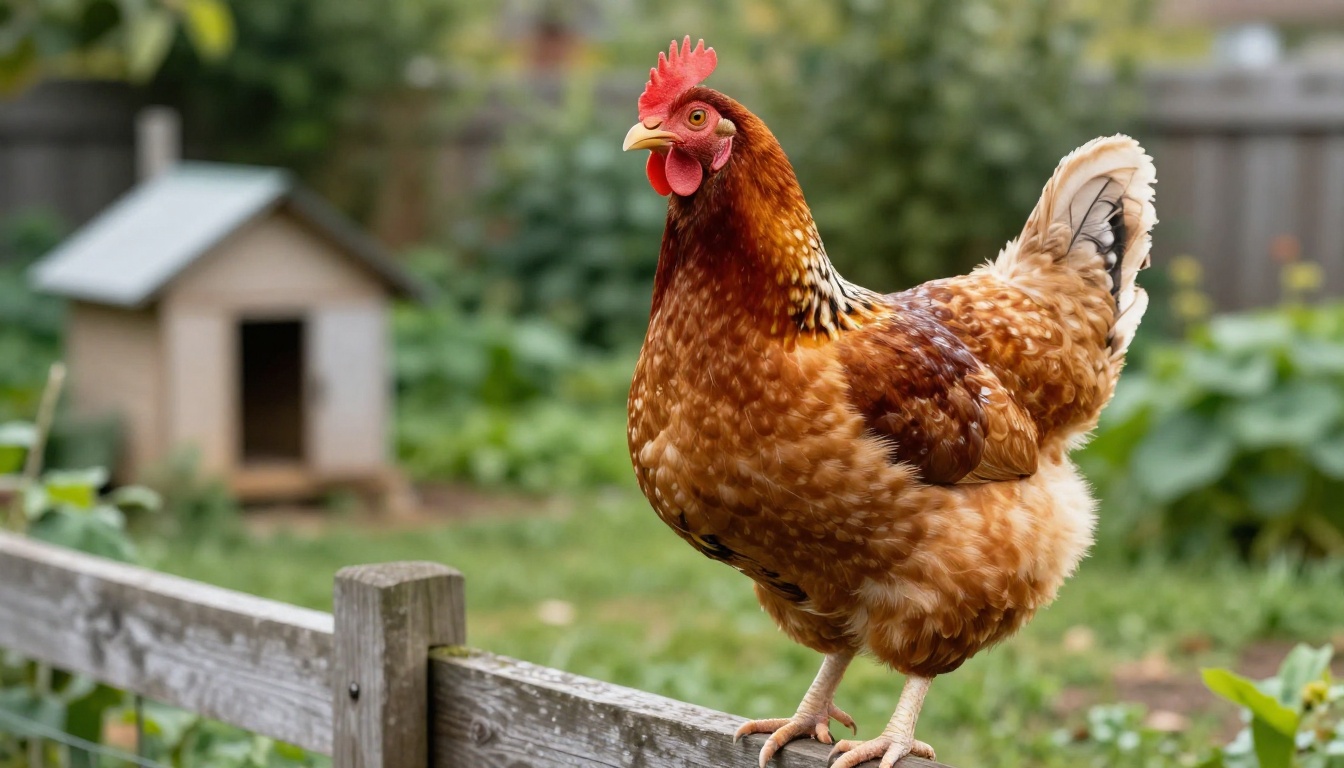
Picture this: In the 1990s, the Buckeye chicken nearly faded away. Only a handful survived. Backyard keepers stepped in. They raised chicks and shared them. Today, the breed thrives a bit more. Stories like this show what everyday folks can do.
Critically endangered poultry breeds keep our food supply tough. They fight diseases better than uniform flocks. Diverse genes mean stronger birds overall. Groups like The Livestock Conservancy track these. They label a breed critical if fewer than 200 live in the US. And under 50 can breed. These birds face real risks from factory farms.
You can help spot them. This guide covers looks, habits, and lists. Plus simple steps to join conservation. No farm needed. You could save a breed from your backyard.
What Counts as a Critically Endangered Poultry Breed?
The Livestock Conservancy sets clear rules. They check numbers each year. A breed hits critical status when populations drop low. This pushes breeders to act fast. Last update in 2025 listed over 30 critical chicken breeds. Numbers shift, so check often.
Four main criteria define critical. First, total US birds under 200. Second, breeding birds under 50. Third, fewer than 10 farms breed them. Fourth, low genetic diversity. These rules protect old lines from dying out.
Why does this matter? Small flocks mean one disease wipes them out. Conservation ramps up when numbers hit these lows.
The Official Classification Rules Explained Simply
They break statuses into levels. Critical is the worst. Watch, recovering, and threatened follow.
Here’s a quick comparison:
| Status | Total US Birds | Breeding Birds | Breeding Farms |
|---|---|---|---|
| Critical | Under 200 | Under 50 | Under 10 |
| Threatened | 200-500 | 50-100 | 10-20 |
| Watch | 500-1,000 | 100-250 | Over 20 |
This table shows the drop-off. Critical breeds need urgent help. Threatened ones get attention too. The Conservancy focuses on US data. Global groups like FAO note similar trends. Backyard fans stick to their lists for action.
Ready to see some examples?
Standout Examples You Might Spot
Take the Campine chicken. Golden hackles shine bright. From Belgium, it almost vanished here. Fewer than 100 roam US farms now.
Mulefoot turkey fits too. Black feathers, no dewlap. Breeding stock dips under 50. Hogs share the name for solid feet.
Swedish Flower ducks waddle with unique spots. Auto-sexing colors help. Under 200 total keeps them critical.
Holland chicken stays tiny. Under five pounds. Crested heads bob at fairs. These birds pop up at hatcheries or shows. Spot one, note details.
Spotting Them by Sight: Physical Traits That Scream Rare
Looks tell the story first. Rare breeds stand out from common ones. Next farm visit, scan for odd combs or legs. You will pick them fast.
Plumage grabs eyes. Sizes vary too. Train your gaze like a bird watcher.
Plumage Patterns and Colors to Watch For
Iridescent hackles glow in sun. Lacing edges feathers neat. Lavender dilutions tint soft. Buff stays pale gold.
Spangled patterns speckle white. Mottled mixes black and white. Pile hues mix red and white. Chamois goes tan.
Common breeds lack these. Rhode Island Reds stay solid red. Critical ones flaunt variety. Campine shows barred gold. Crevecoeur sports frizzled plumes.
Snap a photo. Match to standards later.

This plumage sets them apart quick.
Head, Leg, and Body Giveaways
Combs shape clues. V-combs split at top. Pea combs bump small. Wattles stay tiny.
Legs turn slate blue. Feathered shanks puff clean. Five toes count on some. Beaks curve or hornless.
Bodies build butterball round. Sussex Houdan puffs crests high. Contrast with lean Leghorns.
Dorkings share five toes. Rare ones keep old traits. Modern hybrids skip them for speed.
These features yell heritage.
Behavior and Habits That Tip You Off
Looks fade in dim light. Habits shine daily. Rare breeds act different. They forage sharp and brood well.
Flighty ones dash quick. Broody hens tuck eggs tight. These traits help survival.
Breeders note quirks. One says Campines cluck soft alerts.
Unique Personalities and Daily Moves
Active scratchers dig deep. Calm mothers guard chicks. They spot predators first.
Campines vocalize clear. Not noisy like others. Swedish ducks dive bold.
Cold hardiness sets them. They huddle in snow. Modern birds shiver.
These moves make them tough.
Egg and Growth Clues from Old Lines
Eggs come small and tinted. Cream or blue shades. Not white giants.
Growth slows natural. Tastier meat results. Hybrids bulk fast but bland.
Heritage rates tie to value. They resist bugs better.
Spot these, you found gold.
Best Places to Confirm a Breed’s Rare Status
Doubt hits. Check lists free. Online tools lead easy.
Society for Preservation of Poultry Antiquities shares data. Hatcheries like McMurray flag rares. APA yearbooks list standards.
Apps scan photos for ID. Local 4H clubs know flocks. Facebook groups swap pics.
Cross-check always. Pedigrees prove pure lines.
Online Databases and Breed Clubs
Start at LivestockConservancy.org. Filter by critical. Download breed PDFs.
Join forums. Post photos for votes. Clubs host chats.
Steps work: Search status. Note numbers. Match your bird.
Hands-On Resources Like Books and Events
Grab Storey’s Guide to Raising Chickens. Pages detail rares.
Poultry shows display them. County fairs too. Talk breeders live.
Directories find locals. Buy chicks certified.
Put Your Skills to Work: Easy Ways to Aid Conservation
Spot one? Act now. Raise chicks from trusted spots. Cackle Hatchery ships rares.
Report sightings online. Donate to Conservancy. They breed stock safe.
Start small flock. Register birds yearly. Share eggs with neighbors.
Social posts spread word. Tag groups. Inspire others.
One keeper saved Mulefoots this way. Her flock grew numbers. Yours could too.
Success builds fast.
Conclusion
You now know criteria, looks, behaviors, and resources. Critical breeds show under 200 birds, unique plumes, broody ways.
Spot one? Snap pics. Check lists. Get involved.
Raise a rare. Report finds. Your coop saves lines.
Brighter days come for these birds. Thanks to folks like you who spot and act. Share this guide. Subscribe for updates on breeds. What rare will you find first?