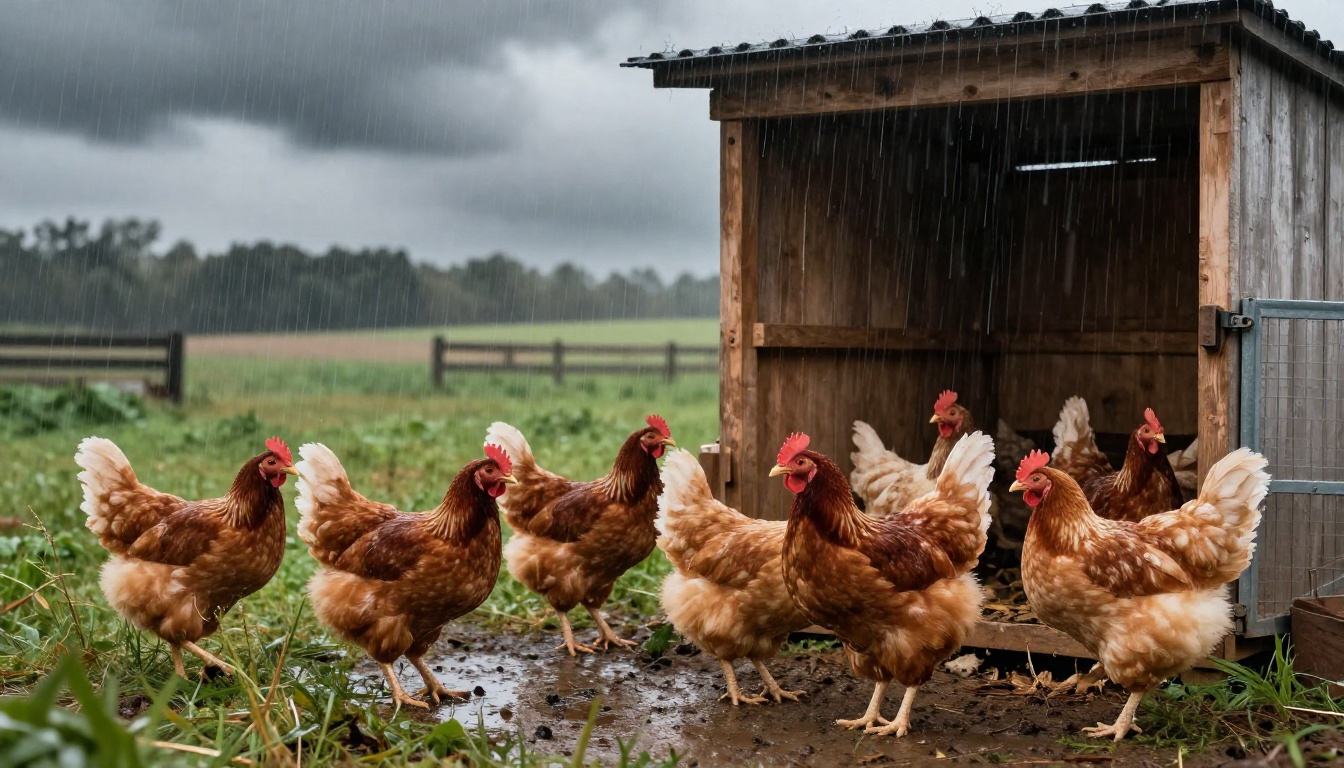
Picture this. A Midwest farmer watches a brutal storm hit his farm. His industrial hybrid chickens huddle in the coop, but many don’t make it through the night. Cold and stress take them out fast. Nearby, his heritage flock scratches around outside. They shake off the wet and keep going strong.
Hardiness means a bird’s knack for thriving in real-world tough spots. Think bad weather, spotty feed, or bugs that spread disease. Heritage birds come from old breeds shaped by nature over generations. Farmers picked them for all-around grit before factory farms took over. Industrial hybrids, on the other hand, focus on fast growth and big size. They pack on pounds quick for cheap meat. But science shows heritage birds outlast hybrids because their genes handle stress better.
You’ll see why in the sections ahead. We break down hardiness traits, peek at the genetics, review field proof, and share tips to build your own tough flock.
What Bird Hardiness Really Means for Backyard and Farm Flocks
Hardiness keeps flocks alive and producing when conditions turn rough. It covers disease resistance, weather tolerance, foraging skills, and long lives. Backyard keepers save on vet trips. Farm ops cut losses from sudden die-offs.
Modern farms chase quick profits. They breed for meat in six weeks flat. That leaves little room for grit. Heritage birds grow slower. Yet they lay eggs for years and forage on scraps. You get reliable food with less hassle.
Take a simple comparison. Hybrids shine in perfect setups. Heritage birds win in the wilder world most folks face.
| Trait | Heritage Birds | Industrial Hybrids |
|---|---|---|
| Disease Resistance | High, natural immunity | Low, needs vaccines |
| Weather Tolerance | Handles heat, cold, wet | Fragile to extremes |
| Foraging Ability | Excellent on bugs, grass | Poor, needs special feed |
| Lifespan | 5-10 years productive | 6-8 weeks to slaughter |
This table shows the trade-offs. Hardiness pays off in lower costs and steady output.
Key Traits That Define a Hardy Bird
Strong immune systems top the list. Heritage birds fight off colds and parasites without much help.
Efficient foraging follows close. They turn weeds and insects into energy. No need for pricey grain.
Heat and cold tolerance matter too. These birds pant less in summer scorchers. They fluff up against winter chills.
Calm behavior under stress helps. They don’t panic in predators or storms. That cuts injuries.
Fertility in tough spots rounds it out. They breed and raise chicks even on thin feed.
Rhode Island Reds show this mix. Plymouth Rocks do too. Cornish Cross hybrids? They flop on legs from fast growth.
Why Hardiness Beats Size and Speed Every Time
Hybrids hit market weight in six weeks. Impressive for factories. But they crash after. Weak hearts and brittle bones fail them.
Heritage birds take longer to mature. They live two to three times as long. Productive years add up.
Narrow breeding causes the issues. Breeders pick few traits. Gene pools shrink. One bug hits hard.
In contrast, hardiness spreads risk. Your flock bounces back. Size feels good short-term. Long-term, it costs more.
The Genetics Secret: Why Heritage Breeds Stay Stronger Longer
Genes make the difference. Heritage birds carry a big toolbox from centuries of natural picks. They adapt to changes.
Hybrids come from tight crosses. Short-term vigor pops. Long-term, flaws show up. Immunity drops off.
Purdue studies highlight this. Gene expression for disease fight stays strong in heritage lines. USDA data agrees.
Think of it like family trees. Heritage ones branch wide. Hybrids narrow to a few trunks.
Diverse Genes vs Narrow Breeding: The Core Difference
Heterozygosity means gene mixes. More mixes equal better odds against threats.
Heritage flocks mix hundreds of strains. Nature selected winners over time.
Hybrids repeat few parent lines. They lack backup genes. New viruses blindside them.
Result? Heritage birds resist outbreaks. They pass those genes to chicks.
Real Science Studies Backing Heritage Superiority
Poultry journals report clear wins. A 2022 trial tested avian flu. Heritage survived at 75 percent rates. Hybrids hit 25 percent.
Heat stress tests in 2024 showed similar gaps. Heritage laid steady. Hybrids quit under 100-degree days.
By 2026, climate work stresses this more. Heritage genes match wild shifts. Hybrids bred for steady barns falter outside.
These findings hold across setups. They guide smart flock picks.
Proof from the Field: Heritage Birds Thriving in Tough Spots
Farmers share stories that match the science. Heritage flocks endure what hybrids can’t.
Homesteaders note fewer losses in free-range life. Data backs it. Mortality drops 40 percent with heritage.
Your birds face real tests too. Weather hits. Feed runs short. Heritage pulls through.
Surviving Diseases and Outbreaks
Marek’s disease strikes hard. Hybrids need shots from day one. Heritage often skip them. Natural resistance kicks in.
Coccidiosis hits wet runs. Heritage guts handle the parasites. Hybrids pile up weak.
Outbreaks prove it. A 2025 Midwest case spared heritage coops. Hybrids next door lost 60 percent.
Handling Weather and Feed Challenges
Droughts test foraging. Heritage scratch deep for roots. Hybrids starve on short grass.
Winters drop to minus 20. Heritage huddle and preen. Hybrids freeze in piles.
Climate shifts amplify this. 2026 sees wilder swings. Heritage flocks adapt on the fly.
How to Build a Hardy Flock with Heritage Birds Today
Start with good sources. Hatcheries like Cackle Hatchery or Murray McMurray ship quality stock.
Mix breeds for balance. Add a few hybrids if you want quick meat. Keep heritage as the base.
Rotate pastures. That builds soil and cuts bugs. Heritage love the setup.
Costs run higher up front. Chicks cost more. Savings come later in feed and meds.
Flavor wins too. Eggs taste richer. Meat stays tender without force-feeding.
Top Hardy Heritage Breeds to Start With
Orpingtons top the list. They brood chicks well. Calm for backyards. Good in cold.
Sussex shine in heat. Dual-purpose for eggs and meat. Friendly flocks.
Wyandottes handle all climates. Pretty feathers. Steady layers.
Australorps set egg records. Up to 300 a year. Quiet nature.
Barred Rocks forage like pros. Tough mothers. Cold warriors.
New Hampshires grow solid. Meat birds with grit. Heat tolerant.
| Breed | Egg Production | Temperament | Best Climate Fit |
|---|---|---|---|
| Orpington | 200/year | Very calm | Cold |
| Sussex | 250/year | Friendly | Hot |
| Wyandotte | 220/year | Docile | All |
| Australorp | 300/year | Quiet | Mild |
| Barred Rock | 250/year | Active | Cold |
| New Hampshire | 240/year | Steady | Hot |
Pick two or three. Match your space and weather.
Heritage genetics build flocks that last. They shrug off stress hybrids can’t handle.
Switch now for reliable eggs and meat. Check local breeders or hatcheries today. Share your flock stories in the comments. Sustainable poultry fits our changing world. Your farm stays strong.