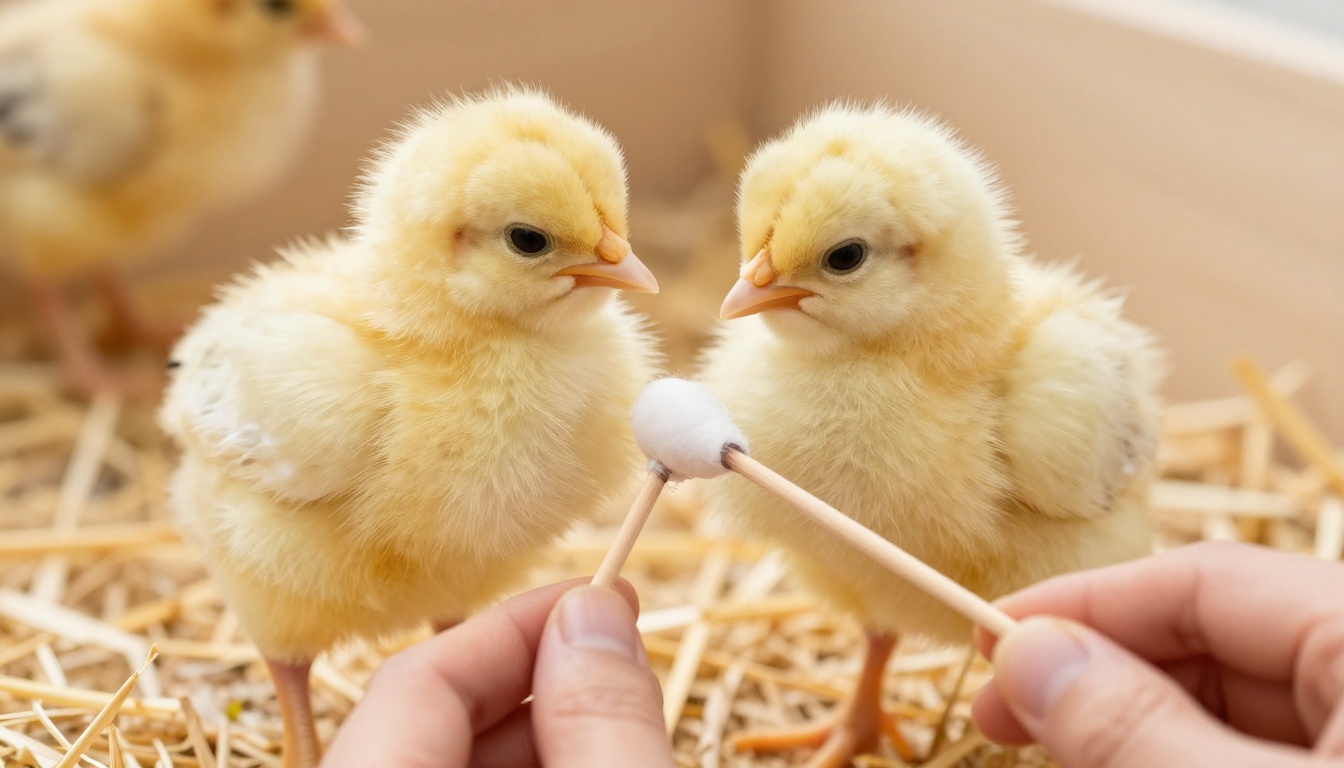
You bring home your first batch of fluffy baby chicks. Excitement builds as they peep and scamper in the brooder. Then you notice one with sticky poop glued to its bottom. Panic sets in fast.
Pasty butt happens when dried poop clogs a chick’s vent. This blocks normal pooping and can kill them in just 24 to 48 hours. It strikes often in new hatches, but beginners fix it with simple steps.
This guide covers spotting it early, prevention tricks, and safe treatment. You’ll keep your chicks clean and thriving. Let’s start with how to catch it quick.
Spotting Pasty Butt Before It Becomes a Big Problem
Chicks hide problems well. You check daily to spot pasty butt early. Look for poop buildup around the vent that resembles toothpaste. The area turns red and swollen. Chicks act lethargic or produce tiny poops, or none at all.
Early detection saves lives. Blockage builds pressure inside, leading to death fast. Focus checks in the first week when risks peak.
Normal chick poop stays moist and drops right off. Pasty versions dry hard and stick. Compare them side by side each day.
Here’s what to watch for:
- Paste-like poop sealing the vent.
- Swollen, red skin nearby.
- Chick seems weak or sleepy.
- No fresh droppings in the brooder.
Catch it soon, and treatment works easy.
Daily Brooder Checks That Save Lives
Make checks a habit. Spend two minutes each morning and evening. Gently lift each chick. Peek under the tail without squeezing.
Wet or messy bedding signals trouble. It worsens clogs. Keep a soft cloth handy for quick wipes during checks.
Handle chicks calm. Cup them in your palm. They stress less this way. A prevention mindset starts here. Clean spots right away to stop buildup.
When to Worry: Red Flags Beyond the Paste
Some signs go further. Chicks huddle in corners instead of spread out. They skip food or drink. Pasty white poop means infection possible.
Open beak breathing shows distress. Isolate these chicks now. Normal fluff looks even; sick ones appear ruffled.
Act fast on these flags:
- Huddling or isolation.
- No interest in feed.
- White, sticky droppings.
- Rapid, open-mouth breaths.
Separate them to protect the group.
Easy Prevention Steps to Keep Chicks Clean and Happy
Pasty butt stems from poor setup mostly. High humidity, wrong heat, stress, or bad feed cause it. Fix these basics first.
Start with ideal brooder conditions. Aim for 95 degrees Fahrenheit the first week. Drop it five degrees each week after. Keep humidity at 50 to 60 percent.
Use pine shavings for bedding. Skip newspaper; it holds moisture. Provide clean water always. Avoid crowding at one square foot per chick.
These pasty butt prevention techniques need no fancy tools. Follow them, and problems drop.
- Set brooder heat right from day one.
- Control moisture levels daily.
- Pick absorbent bedding early.
- Offer balanced starter feed.
- Watch group size closely.
Consistency pays off big.
Nail the Brooder Temperature and Humidity
Heat matters most. Use a lamp or brooder plate at 95F for week one. Test with the dome method: hold your hand over bedding. It should feel warm, not hot.
Humidity stays low at 40 to 50 percent. Add ventilation holes. No puddles form. Too much moisture cakes poop on vents. Dry air keeps them clean.
Adjust lamps daily. Chicks move away if too warm. They pile up if cold. Balance prevents most cases.
Choose the Right Bedding and Feed from Day One
Pine shavings absorb best. They dry droppings quick. Paper towels work short-term but swap them fast.
Feed medicated chick starter. It fights coccidiosis, a pasty butt trigger. Skip treats the first week. They upset digestion.
Keep water fresh. Add electrolytes if chicks arrive stressed from shipping. Clean bowls twice daily. Good feed and dry feet stop clogs.
Reduce Stress for Stronger, Cleaner Chicks
Stress weakens vents. Place the brooder in a quiet spot. Handle chicks gently and often. They get used to you.
Light stays on 24 hours first few days, then 16 hours on, eight off. Small groups thrive. One square foot per bird avoids fights.
Quiet routines build tough chicks. Less stress means firmer poop that falls off easy.
Step-by-Step Treatment: Clean It Up Safely at Home
Treatment stays simple at home. Warm water loosens the paste. Gentle wipes clear the vent. Dry them full to avoid chills.
Work calm. Chicks sense panic. Repeat if buildup returns. Most recover in hours.
Use pasty butt treatment steps below. They work every time with care.
Gathering Your Simple Supplies
You need basics from home. Lukewarm water at 100F works best. A soft toothbrush or Q-tip for wiping. Mild soap if extra sticky, but skip most times.
Grab a towel for drying. Low-heat hairdryer speeds it. Electrolyte powder goes in water after. No special buys needed.
Keep supplies near the brooder. Quick action counts.
The Safe Cleaning Process That Works Every Time
Follow these steps in order:
- Isolate the chick in a warm box. Cover loosely for calm.
- Soak the vent in 100F water five to 10 minutes. Paste softens.
- Wipe gently with damp Q-tip or toothbrush. Go circular, light pressure.
- Pat dry with towel. Use hairdryer on low, far away.
- Return to brooder. Add electrolytes to water. Watch 24 hours.
Never force dried poop. Stop if bleeding starts. Weak chicks need a vet. Dry fully each time. Chills kill faster than clogs.
Ongoing Care Habits That Stop Pasty Butt for Good
Build routines beyond the first week. Deep clean the brooder weekly. Scoop waste daily. Fresh shavings keep it dry.
Switch to grower feed at week six. It matches their growth. Watch weather shifts; add heat if cold snaps hit.
Probiotics in water boost gut health. They firm poop naturally.
Avoid these mistakes:
- Overcrowding the space.
- Stale or dirty water.
- Sudden feed changes.
Healthy habits grow strong flocks. Your chicks turn into layers soon.
Clean weekly. Monitor feed transitions. Add gut support.
Long-term, these steps prevent repeats. Enjoy your birds.
Chicks face pasty butt often, but you spot it early now. Prevent with solid brooder basics like right heat and dry bedding. Treat gently when needed.
Start daily checks today. Your flock stays healthy and happy.
Share your chick stories in the comments. Pin this for your next hatch. Sign up for our newsletter on chicken care tips. You’ve got this. Happy clucking!