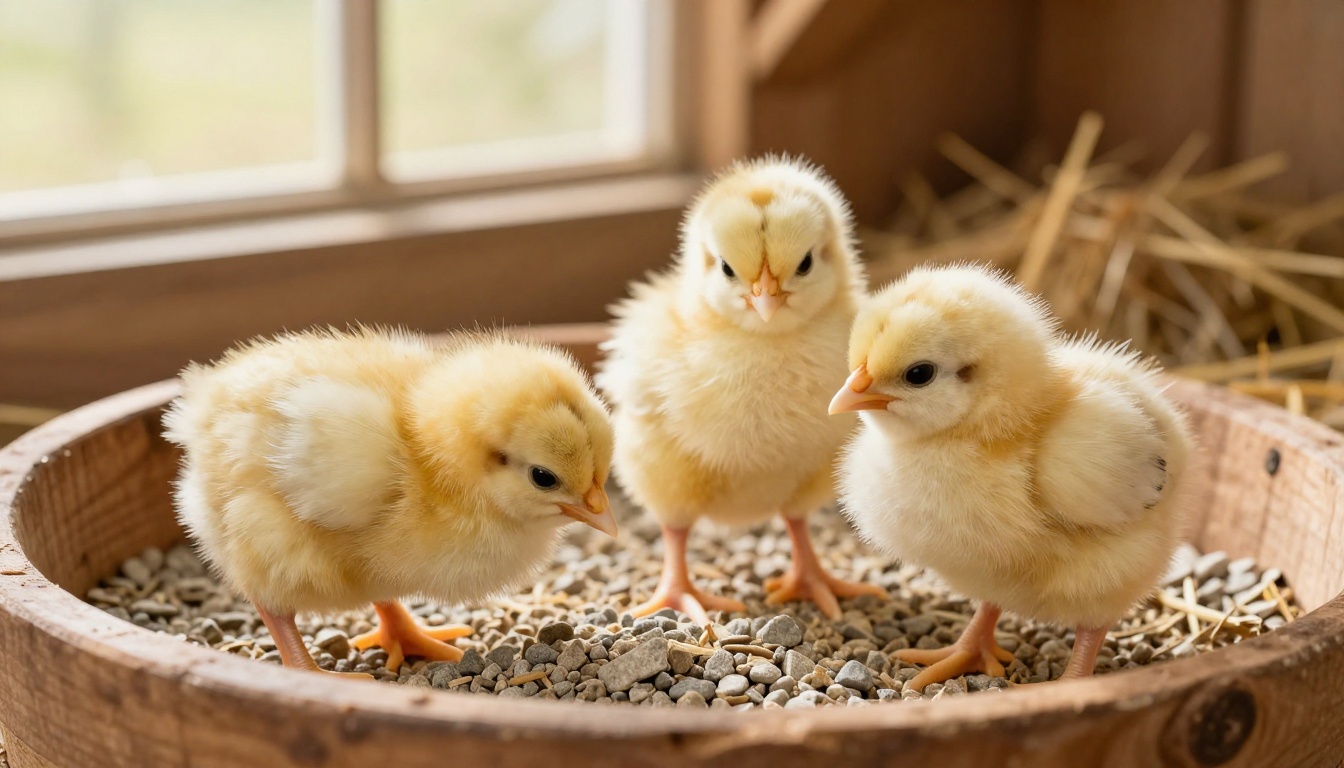
Picture this. You raise a batch of fluffy chicks in your backyard brooder. They peck at starter feed but seem sluggish. Then you add chick grit. Suddenly, those little ones perk up, grow faster, and poop normally.
Chick grit means tiny insoluble stones. Baby chickens lack teeth. So they swallow these stones to grind food in their gizzard. This simple step builds a strong digestive system from hatch day. It boosts nutrient uptake and cuts health woes.
You’ll see shinier feathers and steady gains. In this post, we cover how chick grit works, its top perks, smart use tips, and fixes for issues. Let’s help your chicks thrive.
How Chick Grit Powers Up a Chick’s Digestive System
Chickens digest food differently than we do. They gulp feed whole. The gizzard acts as a grinding machine. Chick grit serves as teeth inside that pouch. It breaks down tough bits like seeds and insects.
Young chicks need this most. Their small gizzards develop best with grit from early days. Free-range chicks pick up natural grit from soil. Confined ones rely on you. Without it, digestion falters. Feed passes half-digested. Growth slows as a result.
Think of the gizzard like a blender with rocks. Food mixes with grit. Muscles squeeze and mash. Nutrients release for absorption. This process strengthens the whole gut over time.
The Gizzard Grind: Grit in Action
Grit enters the gizzard with swallowed food. Muscles contract hard. Stones tumble and crush particles into paste.
The grit stays put. It reuses for the next meal. Food moves on to intestines. Without grit, chunks linger. Chicks waste energy. They grow weak.
Poultry experts recommend fine particles for chicks. Size matters. Too big risks blockage. Too small lacks power. Aim for sand-like grit, about 1-2 mm.
Why Baby Chicks Can’t Skip This Step
Newly hatched chicks have pea-sized gizzards. Grit starts the strengthening process. Natural foraging gives some grit. But brooder life limits that.
Starter feed alone won’t cut it. Mash needs extra grinding. Pellets help a bit more. Still, add grit by day 3 to 7. Early habits build lifelong health. Skip it, and you invite trouble.
Top Benefits of Chick Grit for Long-Term Gut Health
Chick grit delivers real gains. It toughens muscles. Feed converts better to body mass. Your flock stays vital. Let’s break down the wins.
First, gizzards bulk up. Regular grinding thickens walls. Adults handle rough forage. Second, impactions drop. Smooth flow prevents blockages. Third, nutrition soars. More vitamins fuel immunity. Fourth, overall vigor rises. Chicks hit milestones on time.
These perks compound. Healthy starts mean productive layers later.
Boosted Nutrient Absorption for Faster Growth
Fine-ground food breaks open easily. Proteins, vitamins, and minerals flood out. Chicks absorb them fully.
You notice quick changes. Feathers gleam. Weights climb steadily. Poor digestion starves them otherwise. Grit fixes that gap.
Stronger Defense Against Common Digestive Woes
Grit keeps crops emptying fast. No sour buildups. Pasty butt vanishes. Food flows smooth through the tract.
Impactions stay rare. Blockages from fibers clear quick. Health stays steady as a result.
Building a Tough Gizzard That Lasts
Weeks of grit use thicken those walls. Muscles grow dense and strong. Adult birds grind corn effortlessly.
Weak gizzards fail under stress. Grit prevents that. Your hens stay productive for years.
Choosing and Using Chick Grit the Right Way
Pick chick grit wisely. Commercial bags work best for starters. Granite grit suits most. Avoid oyster shell now. It adds calcium chicks don’t need yet.
Sizes run fine to coarse. Start with chick-specific fine grit. Match it to feed. Mash demands more than crumbles.
Offer free-choice in a separate feeder. Sprinkle a pinch in feed weekly. Watch intake. Overdo it, and crops overload.
| Chick Age | Grit Amount per Bird (tsp/week) | Feed Type Notes |
|---|---|---|
| 0-2 weeks | 1/8 | Fine grit only; brooder sprinkle |
| 3-6 weeks | 1/4 | Increase for mash; free-choice |
| 7+ weeks | 1/2 | Transition coarser as they forage |
This table guides beginners. Adjust based on your setup. Monitor for steady poops.
Best Grit Types and Sizes for Young Birds
Granite grit crushes best. It’s inert and reusable. Sand works in a pinch. Clean, coarse beach sand only.
Skip homemade if unsure. Chicks need uniform fine grit. Larger risks injury. Brands label chick sizes clearly.
Smart Feeding Schedules and Amounts
Start at day 3. Scatter 1/8 tsp per chick in feed. Repeat twice weekly. Free-range? Still supplement.
Pellet feeders need less. Mash eats more grit. Check crops daily. They should empty overnight.
Natural Alternatives If You’re Going Grit-Free Range
Pasture provides dirt and pebbles. Chicks forage grit naturally. Bad weather changes that. Keep a dish handy.
Soil tests confirm needs. Sandy loam beats clay. Supplements bridge gaps always.
Troubleshooting: When Grit Isn’t Working and Fixes
Chicks act off sometimes. Loose stools signal issues. Slow growth points to grit gaps. Act fast.
Wrong size clogs. Dirty water dilutes grit power. Mash without grit starves guts. Spot patterns early.
Prevention beats cure. Routine checks keep flocks strong.
Red Flags in Your Chicks’ Digestion
Undigested bits in poop mean poor grinding. Bloated crops linger past morning. Feathers dull from malnutrition.
Lethargy follows. Pasty vents clog. Weigh weekly. Stalls scream trouble.
Quick Fixes for Common Grit Goofs
Switch to finer grit first. Clean water bowls daily. Add electrolytes if stressed.
Boost amounts slightly for mash. Recheck in 48 hours. Vet if no change. Most bounce back quick.
Chick grit forges powerhouse guts from the start. It grinds feed right, absorbs nutrients fully, and wards off woes. Your chicks grow strong and steady.
Start today. Grab fine chick grit. Scatter it in the brooder this week. Share your flock stories below. What changes did you see? Subscribe for more tips on healthy poultry. Happy chicks mean thriving farms.