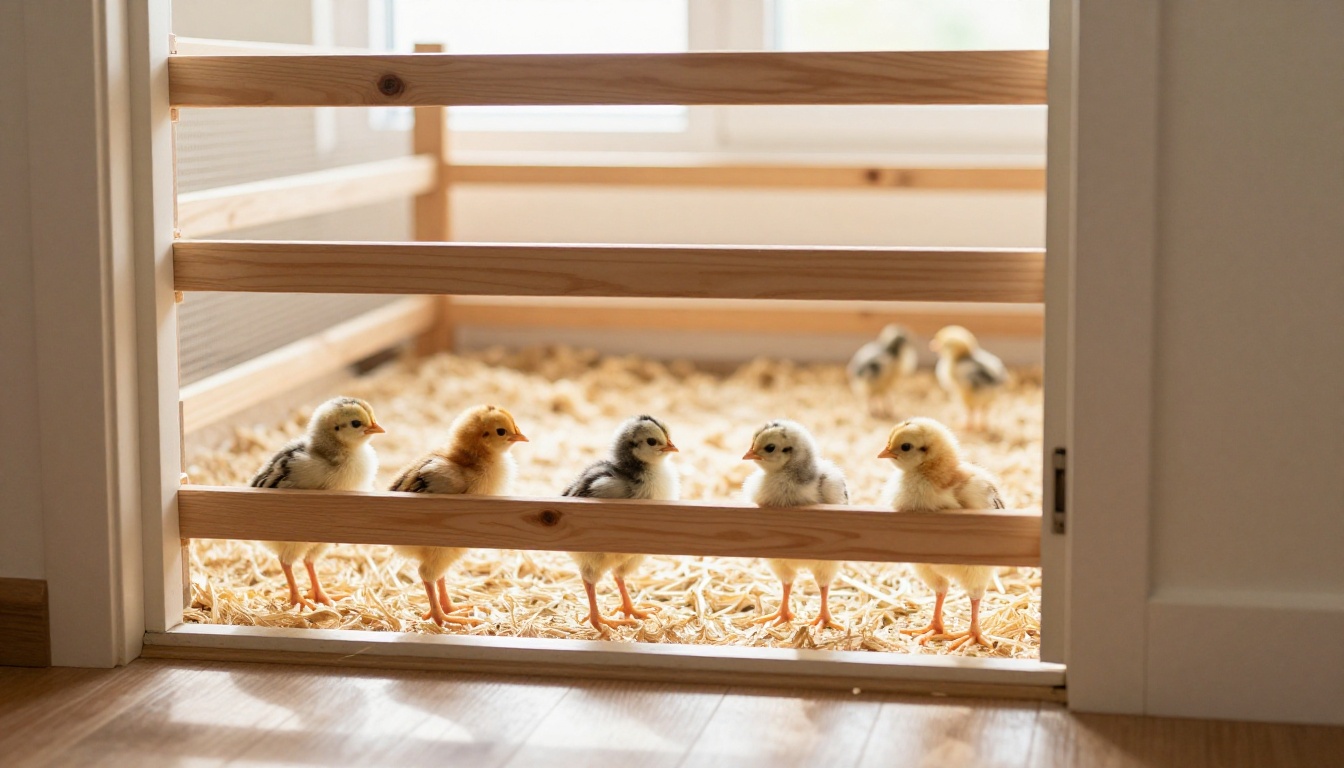
Picture this. You wake up early, head to the coop, and find your young chicks or poults piled in a feathery heap on the floor. Poop everywhere, germs spreading, and fights breaking out over space. It’s a mess that stresses everyone.
Natural roosting fixes that fast. Birds sleep off the ground, away from waste and predators. Low training bars offer a gentle path. They build leg strength step by step, without force. You’ll get a full guide here: setup tips, a four-week plan, and fixes for snags.
Your flock gains healthier legs, a cleaner coop, and more room to thrive. Let’s start with why this works so well.
Why Low Training Bars Spark Natural Roosting Instincts
Young poultry stick to the ground at first. Their legs stay weak, and wild roosting habits fade in domestics. They forget to climb because coops lack safe practice spots.
Low bars change that. They mimic low tree branches in nature. Start at just four inches high. Birds hop up with ease, building confidence. As a result, they strengthen muscles without fear.
This method beats rough tricks. Don’t grab sleepy birds at night; that scares them. Instead, low bars invite play. For example, think of kids on training wheels. They wobble at first but pedal strong soon.
Perks pile up quick. Less coccidiosis hits because poop stays below. Fewer pecks happen off the floor. You save space in tight coops too. Besides, calm birds grow faster.
Start at four to eight weeks old. They’re curious then but still clumsy. Perfect timing. Older flocks resist change more. So, early wins build lifelong habits.
Set Up Low Training Bars Your Birds Can’t Resist
Grab simple materials first. Use smooth one- to two-inch dowels or PVC pipes. Hang them with strong rope or brackets. Sand edges for no splinters.
Place bars four to six inches above bedding. Space them 12 to 18 inches apart. Put them in runs or coops, under future roosts. Choose calm spots away from feeders. That keeps focus on climbing fun.
Test for wobbles. Add non-slip texture like rough tape. Prep the coop with deep litter too. Soft landings prevent quits.
Secure everything tight. Birds need trust to jump.
Choose Heights and Spots That Match Your Flock Size
Tailor heights to age. Tiny chicks need four inches. Older ones handle up to a foot.
For small flocks, cluster three to five bars in a ladder style. Spread them for dozens. Position near walls for stability. Keep space from touching; that teaches balance.
Angle bars slightly upward. It invites climbs. No crowding means better teamwork. Everyone practices without shoves.
Gather Simple Supplies for a Sturdy Build
You need basics only. Cut four-foot dowels to coop width. Use zip ties or screws to hang.
Add treats like mealworms later. Budget stays under 20 dollars. Safety matters most. Round sharp edges. Secure to hold 50 pounds.
Reuse smooth broom handles if you have them. This build lasts years. Easy fixes keep costs low.

Bars in action look like this. Notice the low start and safe spacing.
Follow This 4-Week Plan to Perfect Roosting
Commit to daily 15-minute sessions. Do them when birds act lively. Use clucks as cues. Dim lights at night. Track hops in a notebook.
Adjust if your flock seems shy. Pace matches their speed. By week four, all jump alone.
- Scatter feed on bars during play.
- Praise every try.
- Lift gently at night if needed.
Consistency turns newbies into roosters.
Week One: Make Bars Part of Playtime Fun
Head to the run by day. Place bars right in the action.
Scatter feed on top. Birds hop for bites. Sit close and chirp encouragement. Never force them up.
End sessions with praise. Trust builds fast this way. Most try by day’s end.
Week Two: Nighttime Lifts to Form the Habit
Wait till dark. Birds sleep deep then.
Gently lift each to the lowest bar. They stay put, unaware. Repeat every night. Add perch treats.
Most catch on quick. Habits stick overnight.
Weeks Three and Four: Raise Up and Fade Help
Lift bars two inches each week. Skip lifts as solos increase.
Move to main roost last. Celebrate when all perch free. Full success feels great.
Fix Roosting Hiccups Before They Ruin Progress
Birds ignore bars sometimes. Or they fall, fight, bully. Weather slows too.
Add more treats first. Lower heights for falls. Space extras for bullies. Train indoors during rain.
Separate ages if mixes fight. Patience fixes most in days. Keep calm.
What If Your Birds Stay Grounded Stubbornly
Boost appeal with seeds they love. Train small groups.
Check for illness or cold feet. Warm them up. Consistency beats force every time.
Stubborn flocks need extra fun, not pushes.
Handle Jumps, Fights, or Midnight Drops
Add soft landing pads below. Widen bar spacing.
Isolate peckers short-term. Check nights first week only.
Soon, smooth sailing takes over.

This poult nails it after training. Others watch and learn.
Your coop transforms quick. Healthier legs mean strong adults. Tidy floors cut cleanups. You feel proud as owner.
Start this weekend with young birds. Grab dowels and go.
Share your coop photos or questions in comments. What’s your flock’s roost story? Happy homesteads await.